
This article addresses some foundational concepts for how to care for a toddler’s teeth and is applicable to any caregiver of young children. Written by Emily Taylor, an online marketing manager for Thurman Orthodontics (see her full bio at the bottom of the post), these toddler oral care tips will guide you on the best practices to ensure your toddler’s teeth stay healthy and strong.
Also be sure to check out the articles listed at the bottom of the page for additional resources on children’s oral health and childhood tooth decay.
Hey Mama, if you find my blog posts helpful, would you help support this blog by making purchases through product links on this page? It will not cost you any extra but the commissions I receive as an Amazon and brand affiliate help to cover the costs of operating this blog so that I can keep it running ad-free. Thank you so much for your support. You are literally the reason this blog was started and the fuel that motivates me to keep it going!
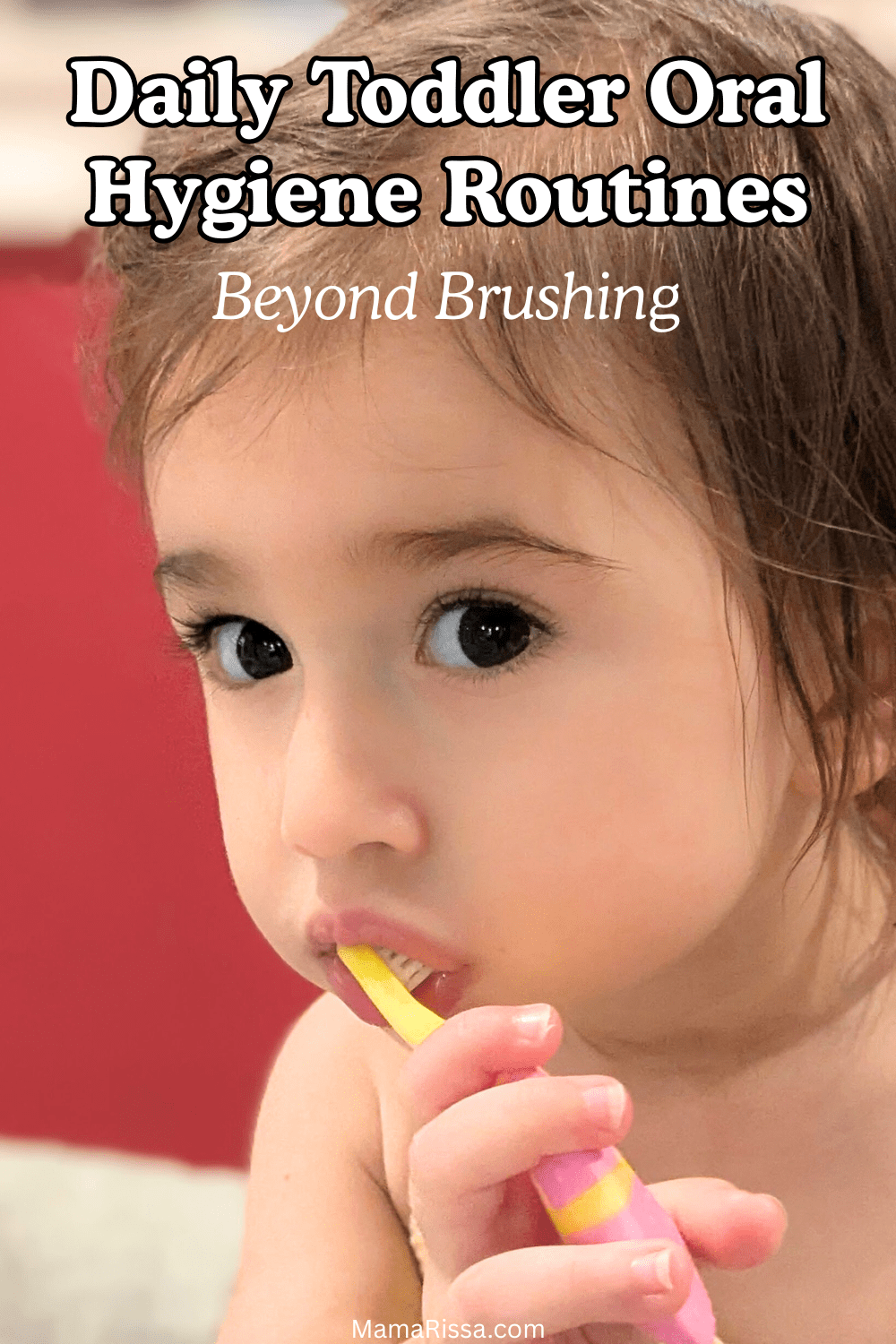
Daily toddler oral hygiene goes beyond just brushing. It’s about creating a consistent, engaging routine that encourages healthy habits early, when they matter most. From brushing and flossing to healthy snacking, tongue cleaning, and regular dental visits, each step builds toward long-term oral health.
But let’s be honest! Toddlers are adorable chaos machines. Teaching them oral hygiene can be tricky. This guide simplifies the process with practical, parent-tested tips to help make oral care a fun, easy, and essential part of your child’s day.
So, let’s begin!
7 Most Vital Toddler Oral Hygiene Tips
Check out these 7 well-rounded approaches that ensure your little one’s smile stays bright and healthy for life:
1. Start With Daily Brushing and Flossing Habits
Brushing twice daily and flossing once a day remains the foundation of all oral care routines for toddlers.
Try this extra soft eco-friendly kids bamboo toothbrush by Wonder Oral Wellness!
- Use a small, soft-bristled toothbrush and age-appropriate toothpaste.
- Apply just a small amount of the toothpaste for children under 3 years old. It should be as small as a grain of rice.
- You can use a slightly more concentrated fluoride toothpaste for older toddlers who are able to spit out the toothpaste. It can be the size of a pea. Fluoride is one option to strengthen enamel and help prevent decay.
- Once two teeth touch (usually around age 2 or 3), add flossing to their dental routine. Flossing removes plaque trapped between teeth where brushes can’t reach.
- You should floss for your kids until they are around 8 to 10 years old. You can gradually involve kids in the process.
2. Make Tongue Cleaning Part of the Routine
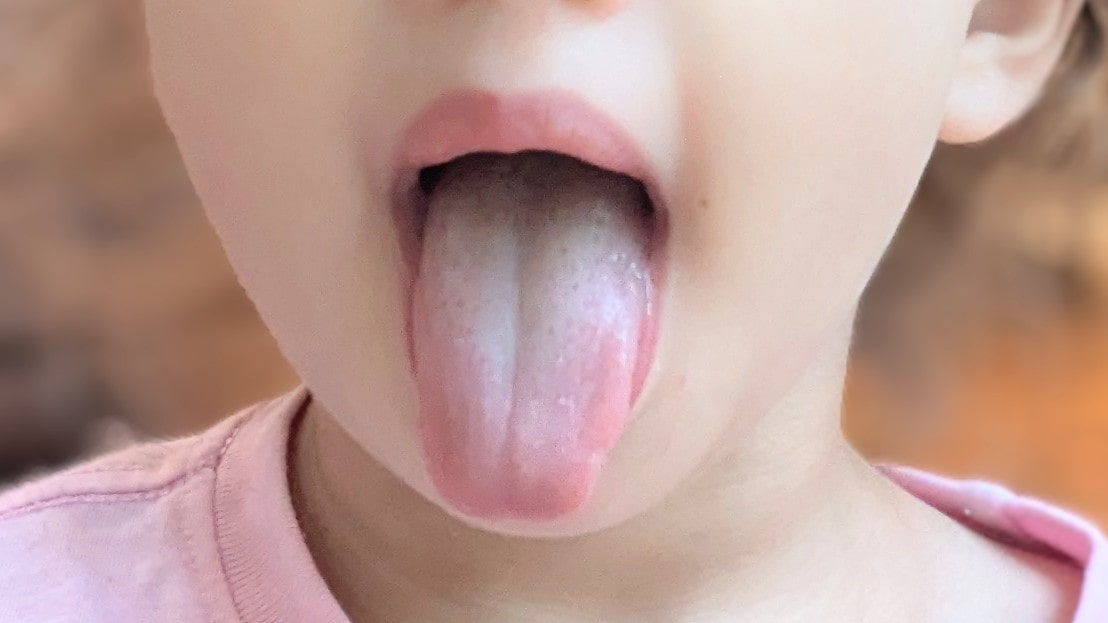
The tongue is a key habitat for bacteria and food debris. Hidden areas of your tongue that are not reached by brushing can become breeding grounds for harmful microbes. Cleaning your kids’ tongues helps maintain fresher breath, healthier teeth and gums, and improves taste and digestion.
- Choose a soft-bristled toothbrush or a flexible tongue scraper to clean your kid’s tongue. For toddlers, a silicone finger brush or infant tongue cleaner is best.
- Make 2-3 gentle swipes until the tongue looks clean. Avoid scrubbing harshly. Gentle pressure works best.
- Have your child swish with water or use a child-safe mouth rinse if recommended by the dentist.
3. Offer Smarter Snacks and Drinks
Sugary and acidic foods promote cavities and weaken enamel.
- Opt for tooth-friendly food options, such as plain water, milk, cheese, yogurt, apples, and carrots.
- Avoid lemon juice and sippy cups filled with sugary liquids after bedtime to help minimize decay risk.
- If you don’t want to ban these foods entirely, at least limit their consumption to weekends only. That way, you can keep a tab, and your toddler also will not feel deprived of all the delicious flavors.

Check out my new website featuring kid-approved recipes that are completely free from refined sugar!
4. Limit Long-Term Bottle and Pacifier Use
Extended use of bottles or pacifiers can negatively impact dental development. This is especially true if your child is hooked on bottles and pacifiers even past age 2.
Read why I breastfed my daughter to sleep in this post.
- Sippy cups can lead to prolonged exposure to sugars, causing “baby bottle tooth decay.”
- Similarly, pacifiers and thumb habits may lead to malocclusion issues, such as open bite, crossbite, or overbite.
- The American Academy of Pediatric Dentistry recommends phasing out pacifiers by age 2 to 3 to ensure optimal jaw alignment while the dentition is developing.
5. Watch for Early Signs of Orthodontic Issues
Although modern dentistry and orthodontics have evolved to address the most complex dental problems, prevention remains a better approach than a cure.
- It’s essential to monitor children for early orthodontic issues, such as misaligned teeth, crowding, or improper bites.
- Habits like thumb-sucking or tongue-thrusting can also be a sign of future misalignment.
- Early intervention can lead to healthy dental development and timely orthodontic treatment involving less time and complexity.
6. Turn Toddler Oral Hygiene into a Fun Experience
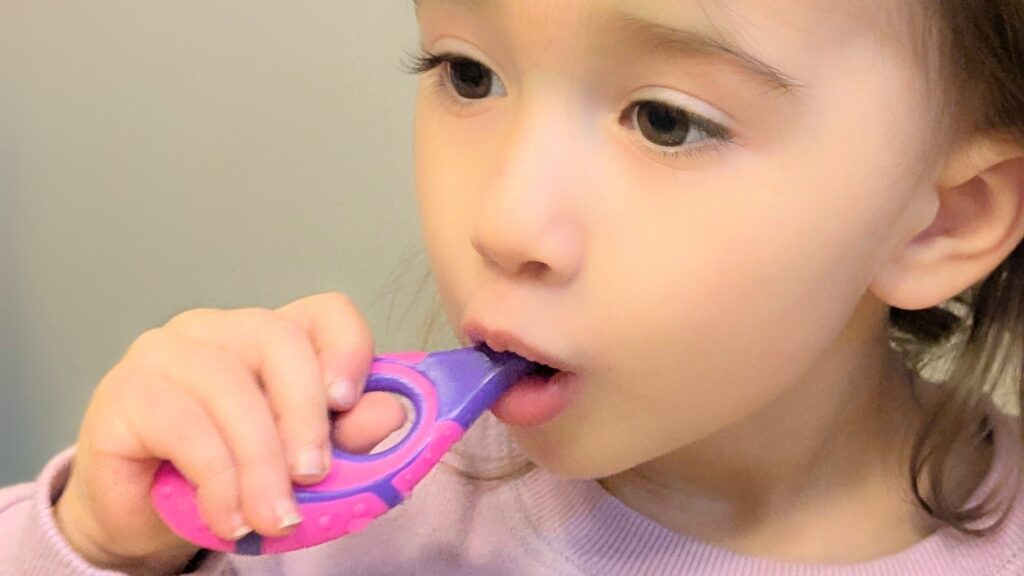
Toddlers respond well to playful routines. So, try these:
- Let them choose colorful toothbrushes or fun toothpaste flavors
- Brush together as a family
- Use a two-minute timer or play a favorite song
- Leverage reward charts or stickers to encourage consistency
Creating a joyful, low-pressure experience fosters a positive relationship with oral care for toddlers. These fun routines help establish good dental habits as part of their daily routine.
7. Keep Up With Regular Dental Check-ups
Toddlers should visit the dentist by their first birthday and then every six months thereafter.
- These routine check-ups help track oral development, prevent cavities, and address potential issues early on.
- Regular dental visits also allow for professional cleanings, fluoride applications, and early detection of bite or alignment problems.
- Starting young builds familiarity with dental care and reduces anxiety during future appointments.
Find out the results of natural cavity treatment in my daughter here.
Good toddler oral hygiene habits lay the foundation for a lifetime of healthy smiles. With just a few daily routines, such as brushing, flossing, tongue cleaning, smart snacking, and regular dental check-ups, you can help prevent early cavities and support proper dental development.
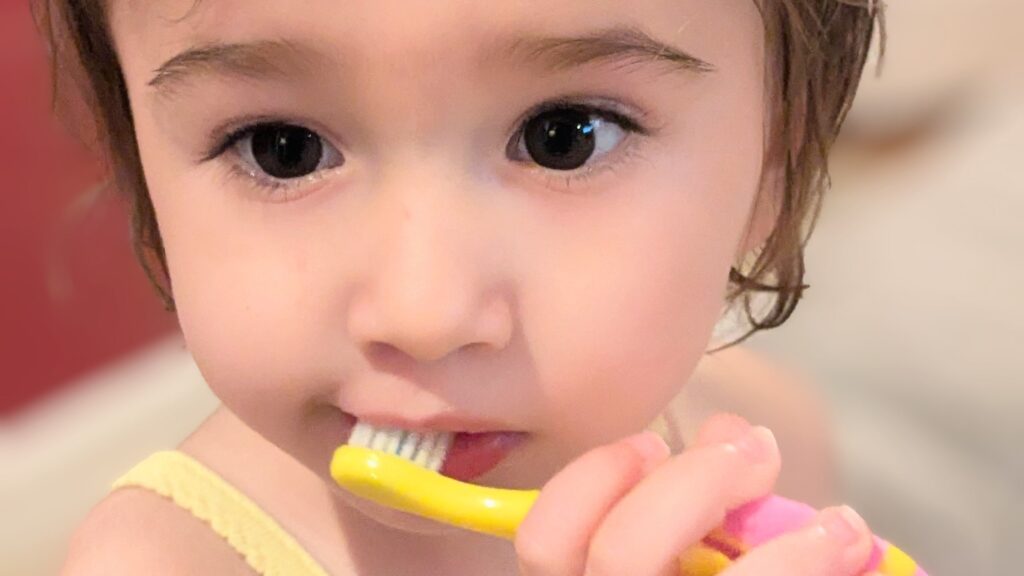
The key? Start early, keep it consistent, and make it fun. Whether it’s choosing a superhero toothbrush or using a sticker chart, these small efforts help build positive habits that last.
Stay involved, talk to your dentist regularly, and remember, every smile starts at home!
Read More about childhood tooth Health:
- Early Childhood Tooth Decay: Surprising Causes & Treatments
- Natural Treatments for ECC (Early Childhood Caries)
- Tooth Decay in Children: 3 Simple, Natural Treatments
- Healthy Candy for Kids with Tooth Decay
- Kids Dental Crowns – Are There Alternatives?
- Results of Natural Cavity Treatment in Kids
- Is Nano-Hydroxyapatite Safe? What You Need to Know About the Remineralizing Ingredient in Your Child’s Toothpaste
- Best Hydroxyapatite Kids Toothpaste Options
- What Causes Teeth Discoloration in Children and How to Treat it
If you have a child with any level of tooth decay (cavities, hypoplasia, demineralization, etc.) join my Facebook support group for parents of young children with tooth decay here.
Author Bio
Emily Taylor found the perfect fit for herself as the Online Marketing Manager at Thurman Orthodontics in Fresno CA as she believes that a great smile does more than just make a person look great – it makes them feel great as well. The power of a smile has always been a mystery to Emily and she loves researching and writing about it. She loves to write about everything to do with a healthy bite and a beautiful smile – whether it is ways to achieve it or the importance of it in the various aspects of life. What brings a big smile on Emily’s face is her family and surfing.







Leave a Reply